English
 Arabic
 French
 Spanish
 Portuguese
 Deutsch
 Turkish
 Dutch
Dutch
 Italiano
 Russian
 Romaian
 Portuguese (Brazil)
 Greek
Greek

10 Insurance Medicare Myths That Still Confuse Americans
Other |
2026-01-27 10:07:46
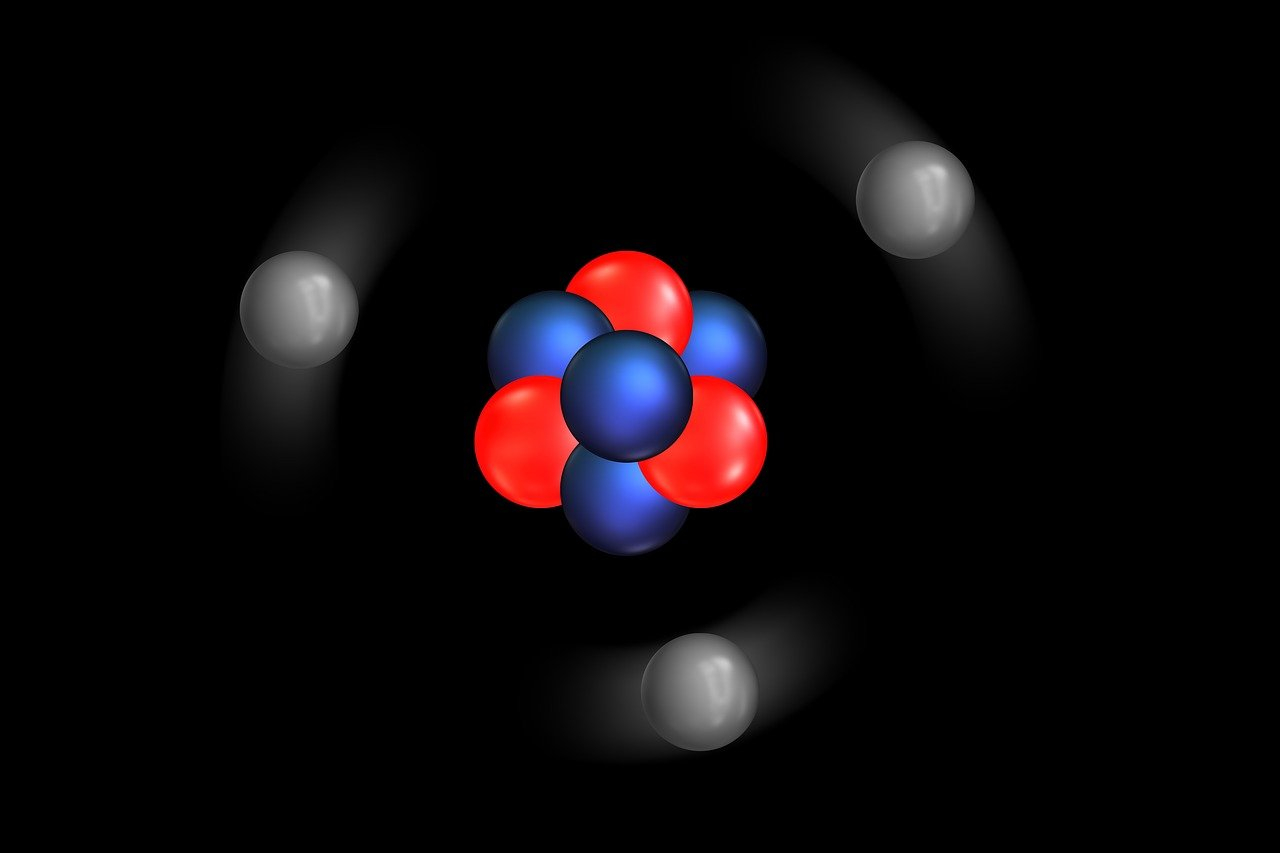
Lithium fluoride is a remarkable ionic compound known for its unique physical and chemical characteristics. Composed of lithium (Li⁺) and fluoride (F⁻) ions, it forms a strong ionic lattice that contributes to its high stability and distinct behavior compared to other alkali halides. Understanding the physical and chemical properties of lithium fluoride is essential for chemists, engineers, and material scientists working with inorganic compounds.
The chemical formula of lithium fluoride is LiF, reflecting its 1:1 ratio of lithium and fluoride ions. This simplicity in formula masks the complexity of the forces within its crystal lattice. The strong electrostatic attraction between the oppositely charged ions makes LiF highly stable, resistant to decomposition, and responsible for many of its practical applications.
From a structural standpoint, lithium fluoride crystallizes in a cubic lattice similar to that of sodium chloride, with each lithium ion surrounded by six fluoride ions and vice versa. This octahedral coordination results in high lattice energy, which explains LiF’s high melting point of 845°C and its ability to remain solid under extreme thermal conditions.
Lithium fluoride is a white, odorless solid at room temperature. Its crystalline structure makes it hard and brittle, characteristics typical of ionic solids. One of its most notable features is its transparency to ultraviolet (UV) light, which enables its use in specialized optical applications such as UV spectroscopy and UV laser components.
LiF exhibits low solubility in water, approximately 0.27 grams per 100 milliliters at 25°C. This low solubility, combined with its chemical inertness, makes it ideal for applications where stability is critical. Unlike more soluble salts, LiF does not readily dissolve or react with water, maintaining its integrity even in aqueous environments.
The thermal stability of lithium fluoride is another key physical property. Its high melting point and strong ionic bonds allow it to withstand extreme temperatures without breaking down, making it valuable for high-temperature industrial processes, ceramics, and glass production.
Chemically, lithium fluoride is relatively inert. It does not react easily with water or most acids under standard conditions, which is a stark contrast to other halide salts like sodium chloride or potassium iodide. However, in contact with highly concentrated acids such as sulfuric acid, LiF can react to produce hydrogen fluoride gas—a reaction that requires careful handling due to its toxicity and corrosiveness.
LiF’s chemical stability is closely linked to its ionic lattice. The strong electrostatic forces between lithium and fluoride ions result in high lattice energy, which makes it resistant to chemical attacks and decomposition. This inertness is one of the reasons lithium fluoride is used in environments where other salts might degrade or react undesirably.
Another chemical property of note is its behavior in nuclear applications. Lithium fluoride can dissolve uranium and thorium salts in molten salt reactors without reacting with the container or other materials, making it a valuable compound in advanced nuclear energy technologies.
The physical and chemical properties of lithium fluoride directly influence its applications. Its UV transparency allows its use in optical components and spectroscopy, while its thermal and chemical stability makes it a suitable material for ceramics, glass, and metallurgical processes. Additionally, LiF serves as a flux in metallurgy, helping reduce melting points and improve metal processing efficiency.
In laboratories, lithium fluoride is used as a reference material and in certain analytical procedures due to its stable and predictable behavior. Its low solubility ensures it does not interfere with reactions or dilute solutions, making it ideal for precise experimental setups.
Although lithium fluoride is stable and generally safe in small quantities, it must be handled with care. Inhalation of dust can irritate the respiratory system, and prolonged skin contact may cause mild irritation. It should be stored in airtight containers to prevent moisture absorption, which can sometimes lead to unwanted chemical reactions.
Laboratories and industries working with LiF are advised to follow standard safety protocols, including the use of gloves, protective eyewear, and proper ventilation. In case of exposure, affected areas should be washed thoroughly with water to minimize risk.
The physical and chemical properties of lithium fluoride—including its high melting point, low solubility, chemical inertness, and UV transparency—make it a versatile compound in both industrial and scientific applications. Its cubic crystal lattice and strong ionic bonding are central to these properties, explaining why LiF remains a crucial material in optics, ceramics, metallurgy, and advanced nuclear technologies.