English
 Arabic
 French
 Spanish
 Portuguese
 Deutsch
 Turkish
 Dutch
Dutch
 Italiano
 Russian
 Romaian
 Portuguese (Brazil)
 Greek
Greek

What Is Driving Growth in the Fruit and Vegetable Pulp Market in 2025–2033?
Other |
2026-01-29 06:55:57
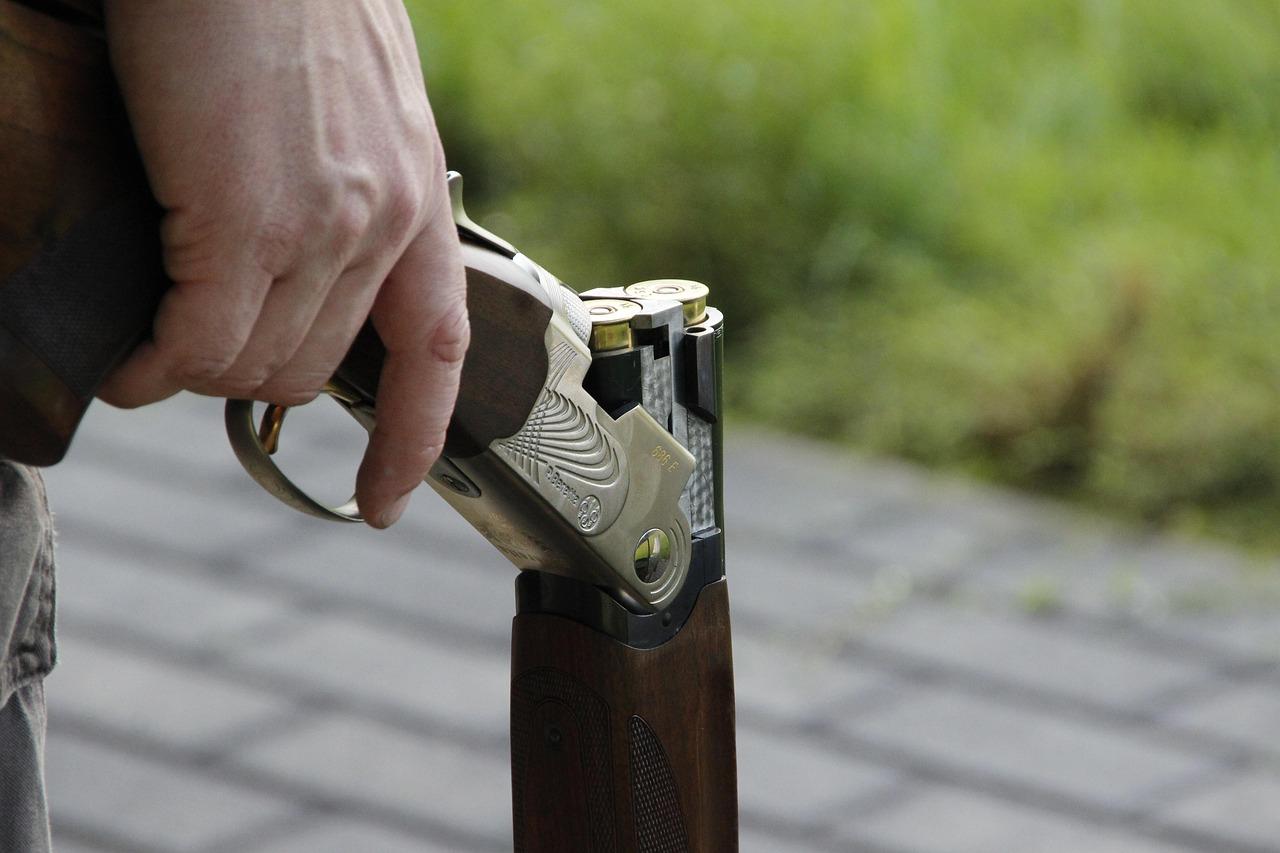
Choosing the right shotgun can feel overwhelming, especially when you’re stuck between two classics: the 20 gauge over and under and the 12 gauge shotgun. Both have long histories, loyal followings, and strong performance records in hunting, sport shooting, and even home defense. But they are not interchangeable. Each brings a different balance of power, recoil, handling, and versatility.
If you’re trying to decide which one fits your needs, the best approach is to look beyond hype and focus on how you actually plan to use your shotgun. Let’s break down the differences and strengths of a 20 gauge over and under compared to a 12 gauge so you can make a confident, informed choice.
Before diving into comparisons, it helps to understand what “gauge” actually refers to. Shotgun gauge is an old measurement system based on the number of lead balls of bore diameter that equal one pound. In simple terms, the smaller the gauge number, the larger the bore. That means a 12 gauge has a larger bore than a 20 gauge.
A 12 gauge can handle heavier loads and more pellets, while a 20 gauge uses lighter shells with fewer pellets. That basic difference influences everything from recoil to range to how the shotgun feels in your hands.
The 20 gauge over and under has become increasingly popular among hunters and sport shooters who want performance without excessive recoil or weight. This style of shotgun has two barrels stacked vertically, giving you the option of two different chokes and a fast second shot.
One of the biggest advantages of a 20 gauge over and under is how easy it is to handle. These guns are typically lighter than 12 gauges, which makes them great for long days in the field. If you’re walking miles while bird hunting, that reduced weight really matters.
Recoil is another major factor. A 20 gauge produces noticeably less kick than a 12 gauge, especially in lighter over and under configurations. This makes it more comfortable for new shooters, smaller-framed shooters, or anyone who just wants a more pleasant shooting experience over long sessions.
The 20 gauge over and under also shines in upland bird hunting. Quail, dove, pheasant, and even grouse are well within its capabilities. You get plenty of power for clean kills without overdoing it.
The 12 gauge is the most popular shotgun gauge in the world for a reason. It is extremely versatile and powerful. From clay shooting to waterfowl hunting to home defense, the 12 gauge does it all.
One of the main strengths of a 12 gauge is payload. It can throw more pellets at higher velocities, giving you longer effective range and more forgiving patterns. That makes it especially useful for larger birds like geese or for situations where you want maximum stopping power.
The 12 gauge also offers unmatched ammo variety. You can find everything from light target loads to magnum hunting shells almost anywhere. That flexibility is a big advantage if you want one shotgun to cover many roles.
However, all that power comes at a cost. Recoil is heavier, and the guns themselves are often bulkier and heavier than their 20 gauge counterparts. For some shooters, that’s not a problem. For others, it can make shooting less enjoyable.
One of the first things people notice when switching between these gauges is recoil. A 12 gauge has a stronger kick, especially with heavier hunting or defensive loads. Over time, that can lead to fatigue or even flinching if you’re not careful.
A 20 gauge over and under offers a much softer shooting experience. The reduced recoil allows you to stay on target more easily and recover faster for your second shot. For beginners or anyone sensitive to recoil, this can be a huge advantage.
Comfort isn’t just about recoil, though. Balance and weight also matter. Many shooters find a 20 gauge over and under to be more lively in the hands. It mounts quickly and swings smoothly, which is ideal for fast-moving birds or clays.
When it comes to raw power, the 12 gauge clearly wins. It throws more shot and maintains energy farther downrange. That makes it excellent for waterfowl, turkey, and situations where you want the maximum margin for error.
The 20 gauge, on the other hand, focuses on efficiency rather than brute force. With modern ammunition, a 20 gauge over and under is more than capable of taking most upland game cleanly. Many experienced hunters argue that shot placement matters far more than gauge size.
If your hunting revolves around smaller birds or you mostly shoot clays, the extra power of a 12 gauge may be unnecessary. In those cases, the 20 gauge gives you everything you need with less punishment on your shoulder.
If you want one shotgun to do almost everything, the 12 gauge is hard to beat. You can hunt birds, shoot trap and skeet, defend your home, and even hunt deer with slugs, all with the same gauge.
The 20 gauge over and under is more specialized. It excels in sporting and upland hunting roles but is less commonly chosen for home defense or big game. That doesn’t mean it can’t work in those roles, but the 12 gauge is more widely accepted for them.
Think about how you plan to use your shotgun most often. If you mainly want to hunt birds and shoot clays, a 20 gauge over and under may be perfect. If you want a true do-it-all tool, the 12 gauge has the edge.
Another practical factor is ammo availability. 12 gauge shells are everywhere and usually cheaper due to high demand and mass production. You can walk into almost any sporting goods store and find multiple types of 12 gauge ammo on the shelf.
20 gauge ammo is also common, but there may be fewer options, and sometimes prices are slightly higher. That said, for most shooters the difference is not huge, and both gauges are easy to keep fed.
Fit is critical with any shotgun. A gun that fits you well will shoot better than one that doesn’t, regardless of gauge. Many shooters, especially younger or smaller-framed ones, find the 20 gauge over and under easier to shoulder and control.
For experienced shooters who are used to the feel and weight of a 12 gauge, switching down might feel different at first. But many end up appreciating the lighter, quicker handling once they adjust.
There is no universal “best” choice. The right shotgun depends on your body type, experience level, and how you plan to use it.
Choose a 20 gauge over and under if you:
Choose a 12 gauge if you:
Both the 20 gauge over and under and the 12 gauge shotgun have earned their place in shooting culture. One isn’t “better” than the other in every way—they simply serve different shooters and different purposes. If you value comfort, balance, and efficiency, the 20 gauge over and under is an excellent choice. If you want raw versatility and power, the 12 gauge remains king.
No matter which direction you go, the best shotgun is the one that fits you well and matches your real-world needs. Take time to handle both, shoot them if you can, and choose the one that feels right. When you’re ready to explore your options, reputable marketplaces like GunsAmerica can help you find the perfect shotgun to match your style and goals.