English
 Arabic
 French
 Spanish
 Portuguese
 Deutsch
 Turkish
 Dutch
Dutch
 Italiano
 Russian
 Romaian
 Portuguese (Brazil)
 Greek
Greek

Financial App Market Size, Growth Trends, and Forecast 2025–2033
Other |
2026-01-28 09:26:02
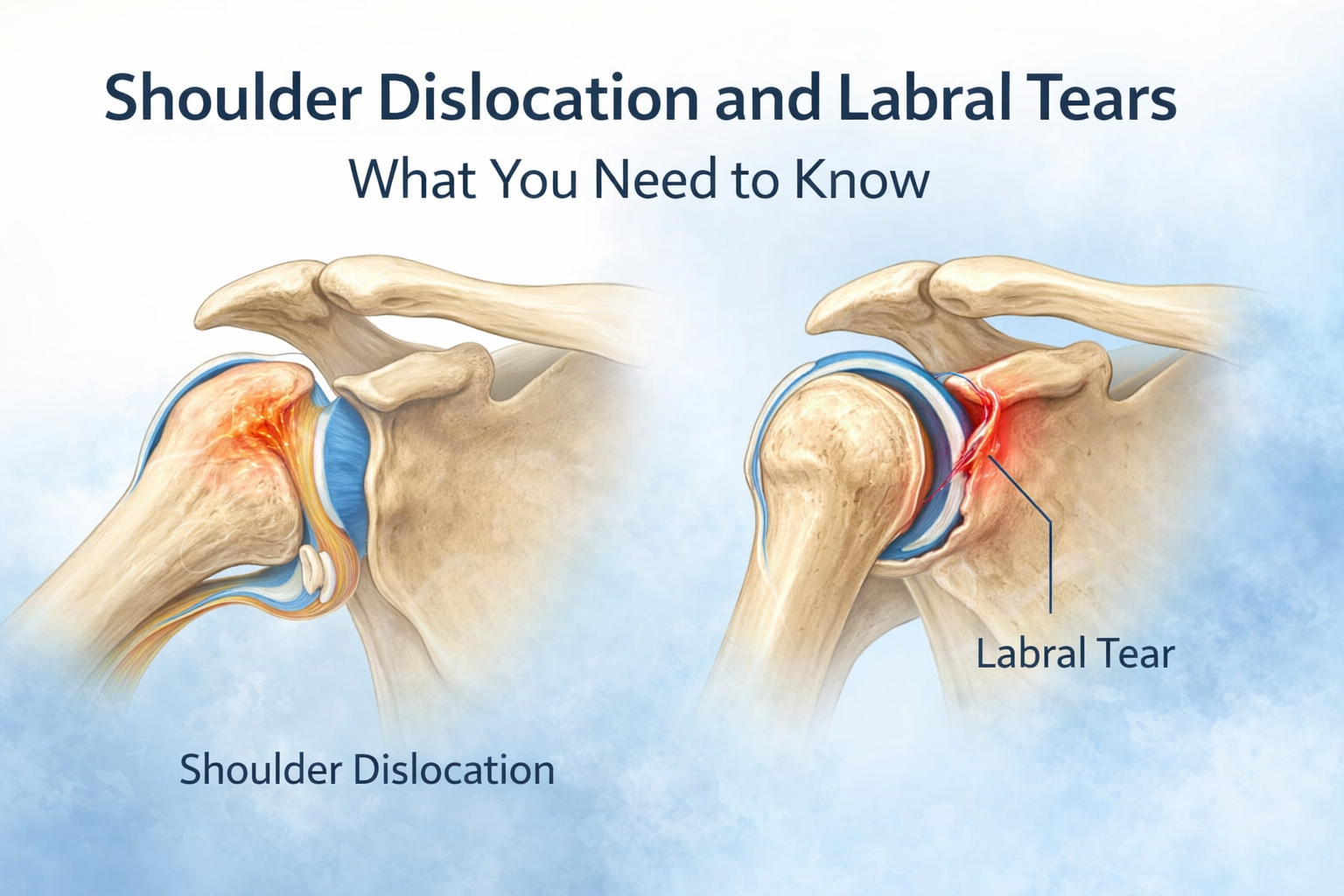
A sudden shoulder injury can disrupt daily life almost instantly. Pain may appear without warning. Movement can feel limited or unstable. In many cases, the underlying cause is a shoulder dislocation and labral tear, especially after trauma, heavy lifting, or a forceful arm movement. Studies show the shoulder is the most commonly dislocated major joint, accounting for over 50% of all joint dislocations treated in emergency settings.
The shoulder allows wide motion but depends heavily on soft tissues for support. This balance makes it useful but also easy to injure. Understanding how these injuries occur helps patients recognize symptoms early and seek proper care.
Even after a shoulder injury has healed, the joint can remain weak and unstable, making it likely to dislocate or get hurt again. This ongoing vulnerability, known as repeat shoulder instability, affects a wide range of people. Studies show that 30% to 70% of former patients (athletes, physical workers, children, and older adults) experience this problem.
Because the risk is so high, it is important to take shoulder pain seriously and not ignore early warning signs.
The shoulder is the most mobile joint in the body. It rotates, lifts, and reaches in multiple directions. This mobility comes with less bony support compared to joints like the hip.
Instead of deep bone structure, the shoulder relies on muscles, tendons, ligaments, and cartilage. These tissues work together to keep the arm centered in the joint. When stress exceeds their capacity, injury occurs. Even a brief loss of control can damage stabilizing structures.
Common risk factors include:
Over time, these factors increase the chance of joint instability.
A shoulder dislocation occurs when the upper arm bone moves out of its normal position. This often happens forward, especially when the arm is extended or rotated outward. The event can be painful and alarming.
Symptoms often include:
Even after the joint is repositioned, internal damage may remain. This is where labral injuries often come into play.
The labrum is a ring of cartilage that lines the edge of the shoulder socket. It deepens the socket and improves stability. Although small, it plays a major role in keeping the joint secure.
When force pulls the arm bone away from the socket, the labrum can tear. This damage may occur with or without a full dislocation. A labral tear reduces joint support and increases the risk of repeated instability.
Some people notice clicking, catching, or weakness. Others feel the shoulder may give out during use. Over time, these signs can worsen if left unaddressed.
A shoulder dislocation and labral tear often occur together. The force that displaces the joint commonly damages the labrum at the same time. Once torn, the labrum may no longer hold the joint securely.
This creates a cycle. Instability leads to more stress. More stress increases the chance of repeat dislocation. Without proper care, even daily movements can feel risky.
In some cases, a labral tear happens first. Over time, this weakness allows the joint to slip more easily. Either way, both injuries contribute to shoulder instability.
While sports injuries are well known, many shoulder injuries happen during everyday activities. These include workplace tasks, home projects, and unexpected movements.
Frequent causes include:
These situations can lead to a shoulder dislocation and labral tear, even in people who are not highly active.
Not all shoulder pain is serious. Some strains heal with rest. Others point to structural injury. Warning signs include:
When these symptoms persist, evaluation is important. Early care can prevent worsening damage.
Diagnosis starts with a detailed history and physical exam. The provider assesses strength, motion, and joint stability. Imaging often helps confirm the diagnosis.
MRI is commonly used to detect labral damage and soft tissue injury. X-rays may rule out fractures or assess alignment. Accurate diagnosis allows treatment to focus on the true cause of symptoms.
Treatment depends on severity, activity level, and stability of the joint. Some cases respond well to conservative care. Others require advanced intervention.
This may include:
The goal is to strengthen supporting muscles and restore control.
Persistent instability or repeated injury may require additional treatment. Addressing the structural issue helps reduce long-term pain and repeat dislocations.
A clear plan supports safer recovery and better outcomes.
Persistent instability or repeated injury may require additional treatment. Addressing the structural issue helps reduce long-term pain and prevent repeat dislocations through coordinated care at a trusted pain clinic in Corsicana.
Patients in Waxahachie, Corsicana, and Cleburne often search for answers when shoulder pain limits work or daily activity. Access to experienced Shoulder Injuries treatment in Waxahachie and nearby communities can make a real difference in recovery and daily comfort.
At Premier Pain Centers, care focuses on identifying the true source of shoulder pain and instability. The approach emphasizes accurate diagnosis, patient education, and evidence-based treatment tailored to each patient’s condition.
Led by Dr. Rao K. Ali, patients receive guidance designed to reduce pain, improve stability, and support long-term shoulder health. The goal is clarity, safety, and meaningful improvement in daily function.
A shoulder dislocation and labral tear can affect comfort, confidence, and daily movement. These injuries are not limited to athletes and often result from routine activities or sudden strain. Understanding how and why they occur allows patients to act early and avoid repeat problems. With timely care and a clear treatment plan, many people regain stability and return to normal life with fewer limitations.
Once the shoulder becomes unstable, it can dislocate multiple times.Proper treatment helps reduce the risk of repeat injuries.
Some mild labral tears may improve with rest and guided care.More significant tears often need targeted treatment to restore stability.
Surgery is not always necessary for shoulder injuries.Many patients improve with non-surgical care depending on symptoms and injury severity.
Recovery time varies from person to person.Mild injuries may heal in weeks, while complex cases can take several months.
Seek evaluation if pain, weakness, or instability persists.Early care can prevent further damage and long-term issues.