English
 Arabic
 French
 Spanish
 Portuguese
 Deutsch
 Turkish
 Dutch
Dutch
 Italiano
 Russian
 Romaian
 Portuguese (Brazil)
 Greek
Greek

Small Wedding Venues Northern California: Choosing Intimacy Over Excess
Party |
2026-01-30 07:01:22
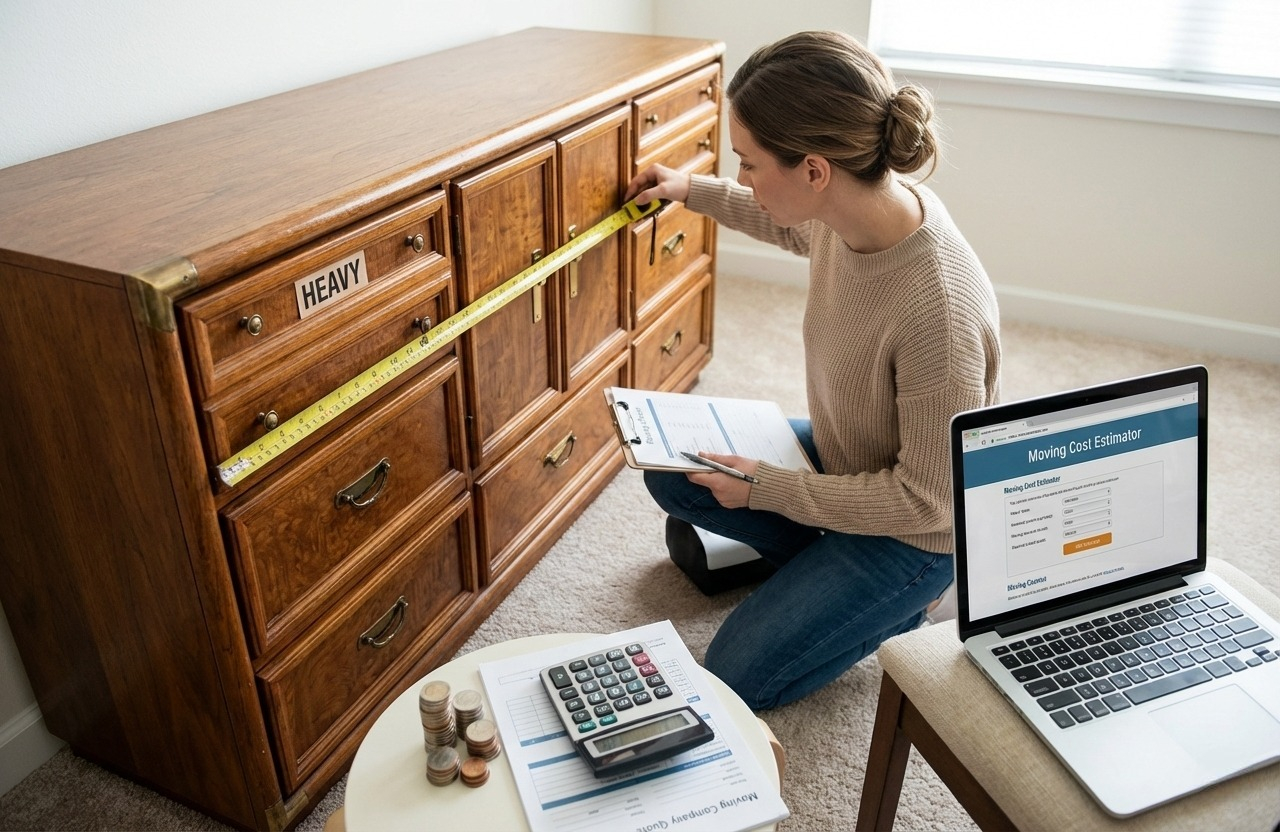
Moving can be stressful, especially when you have large furniture. One of the trickiest items to estimate costs for is a heavy dresser. Understanding the factors involved will save you time, money, and frustration.
The very first thing you need to know is the dresser weigh. This is the foundation of estimating moving costs. Dressers come in all shapes and sizes, and their weight varies significantly based on material and design.
Standard wooden dresser: 100–150 pounds
Large solid-wood dresser: 200–250 pounds
Antique or ornate dresser: 250+ pounds
Knowing this helps movers calculate labor, equipment, and insurance requirements. A 200-pound dresser is not the same as a 120-pound one in terms of manpower or the type of moving truck needed.
Determines number of movers needed
Influences moving truck size
Impacts insurance and liability costs
For instance, moving a 200-pound oak dresser may require three movers for safety. Attempting to move it alone could lead to injury or damage, increasing hidden costs.
Whether you are moving across town or across the country drastically changes your budget.
Local moving companies often charge by the hour. On average:
2 movers: $80–$100 per hour
Additional movers: $40 per hour each
Stairs surcharge: $25–$50 per flight
If your home has tight hallways, stairs, or elevators, expect additional fees. For example, a three-hour move with two movers plus one flight of stairs could cost around $270–$350.
Long-distance moving costs depend on weight and distance. On average:
$0.50–$0.70 per pound for moves under 1,000 miles
Additional fees for disassembly, packing materials, or protection
A 200-pound dresser for a 500-mile move may cost about $350–$400, excluding labor and insurance.
Disassemble large pieces whenever possible
Move during off-peak days (mid-month or weekdays)
Compare quotes from multiple movers
Proper packing is crucial to avoid scratches, dents, or broken drawers. Heavy dressers need special care.
Moving blankets or pads
Shrink wrap for drawers
Furniture straps to secure during transport
Protective materials usually cost $20–$50, but many moving companies include them in their service. This prevents damage and reduces stress.
Furniture dollies for heavy lifting
Straps and harnesses for stairs
Moving pads inside the truck to prevent sliding
Using the correct equipment ensures safety for both movers and furniture, avoiding potential extra costs.
Insurance is often overlooked but extremely important, especially for valuable dressers.
Basic coverage: Often included, usually $0.60–$1 per pound
Full coverage: Extra cost, provides complete replacement value
For example, if your dresser weighs 200 pounds and you choose coverage at $1 per pound, that’s $200 of protection.
Even experienced movers can face accidents. A protected dresser reduces stress and prevents financial loss. Hiring reliable movers ensures they have proper insurance coverage.
Getting a clear estimate before moving day is key to avoiding surprises.
Always ask at least 3–5 moving companies for a detailed estimate. Include:
Weight of the dresser
Disassembly or assembly needs
Distance of the move
Stairs or accessibility issues
If you are unsure which movers to trust, directories like My Good Movers help you find reputable services. They provide verified reviews, ratings, and price ranges, making the selection process easier.
Weight of the furniture (dresser weigh)
Distance of the move
Labor costs per hour
Packing materials and protection
Insurance coverage
Accessibility and stair surcharges
By factoring all these, you can anticipate a realistic moving budget.
Some people consider moving a heavy dresser themselves to save money.
Lower labor costs
Control over timing
Flexible scheduling
Risk of injury or damage
Rental trucks and equipment costs
No insurance protection
For heavy furniture, professional movers usually save money in the long run. They have trained staff, proper tools, and insurance. Using a verified directory like My Good Movers ensures you hire a reliable service.
The layout of your home can significantly affect the moving cost.
Each flight of stairs may cost an additional $25–$50
Narrow hallways may require more movers or special maneuvering
Sloped driveways or uneven floors increase risk
Moving straps and dollies are essential
Considering these challenges ahead of time helps you budget more accurately.
Estimating moving costs for a heavy dresser requires attention to detail. Knowing the dresser weigh, understanding your move type, accounting for packing, protection, insurance, and accessibility are all essential steps.
Using online directories like My Good Movers ensures you hire verified movers who can provide accurate estimates and handle your furniture safely. By carefully planning, you can save money, reduce stress, and ensure your dresser arrives safely at your new home.