English
 Arabic
 French
 Spanish
 Portuguese
 Deutsch
 Turkish
 Dutch
Dutch
 Italiano
 Russian
 Romaian
 Portuguese (Brazil)
 Greek
Greek

Best Vitrified Tiles vs Porcelain Tiles: A Complete Guide
Home |
2026-01-28 12:25:26
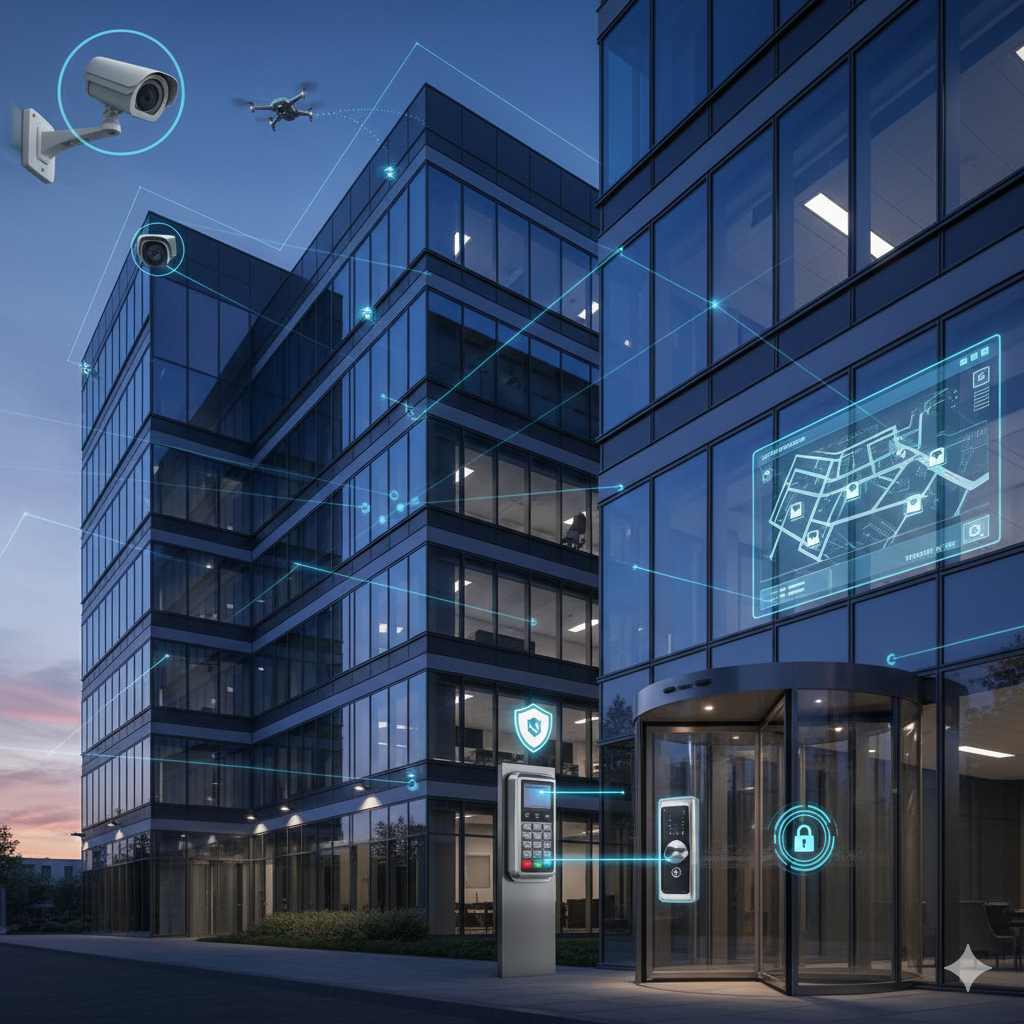
Home security has come a long way from traditional locks and basic alarm systems. With rapid advancements in technology, artificial intelligence (AI) and automation are now transforming how homeowners protect their properties. Modern home security systems are smarter, more responsive, and more personalized than ever before. By combining intelligent software with automated devices, today’s security solutions offer enhanced protection, convenience, and peace of mind.
How AI Is Changing Home Security
Artificial intelligence plays a critical role in making home security systems more intelligent and efficient. Unlike traditional systems that simply detect motion or trigger alarms, AI-powered systems can analyze data, recognize patterns, and make informed decisions. This allows them to distinguish between normal household activity and genuine security threats.
One of the most impactful applications of AI in home security is video analytics. Smart cameras equipped with AI can identify people, animals, vehicles, and even specific faces. This reduces false alarms caused by pets, shadows, or passing cars. Homeowners receive more accurate alerts, allowing them to respond quickly to real threats instead of constantly checking unnecessary notifications.
AI also enables predictive security. By learning from daily routines and usage patterns, intelligent systems can anticipate unusual behavior. For example, if a door is opened at an unexpected time or movement is detected in a restricted area, the system can instantly alert the homeowner or notify monitoring services.
Automation for Smarter Protection
Automation works hand in hand with AI to streamline security processes and eliminate manual intervention. Automated home security systems can perform actions automatically based on predefined rules or real-time data. This ensures that security measures are always active, even if homeowners forget to arm their system.
For instance, automation allows doors to lock automatically when residents leave the house or at a scheduled time each night. Lights can turn on when motion is detected, creating the illusion that someone is home and deterring potential intruders. Alarms can activate instantly when unauthorized access is detected, without requiring user input.
Automation also extends to emergency response. In the event of a break-in, fire, or gas leak, automated systems can alert emergency services, shut off utilities, or unlock doors for first responders. These rapid, automated actions can significantly reduce damage and improve safety outcomes.
Smart Integration with Connected Devices
One of the biggest advantages of AI-driven home security is its ability to integrate seamlessly with other smart home devices. Modern security systems connect with smart locks, lighting systems, thermostats, and voice assistants to create a fully connected ecosystem.
For example, when a security camera detects suspicious movement, the system can automatically turn on outdoor lights, lock all doors, and send a live video feed to the homeowner’s smartphone. Voice assistants allow users to control security features using simple commands, making it easier to manage safety even when hands are full.
This level of integration not only enhances security but also improves convenience. Homeowners can monitor and control their entire security setup remotely, whether they are at work, on vacation, or simply in another room.
Reducing False Alarms and Improving Accuracy
False alarms have long been a challenge in home security, often leading to frustration and unnecessary emergency responses. AI significantly reduces these issues by improving detection accuracy. Through machine learning algorithms, systems continuously refine their understanding of normal versus abnormal activity.
Over time, AI learns the unique characteristics of each household, such as regular movement patterns and frequently accessed areas. This personalization ensures alerts are meaningful and reliable. As a result, homeowners gain greater trust in their security systems and respond more effectively when real threats occur.
Privacy and Data Security Considerations
While AI and automation offer powerful benefits, they also raise important questions about privacy and data security. Modern systems collect and process large amounts of data, including video footage and behavioral patterns. Reputable security providers address these concerns through strong encryption, secure cloud storage, and user-controlled privacy settings.
Homeowners should look for systems that offer transparent data policies and customizable privacy options. Features such as local data storage, two-factor authentication, and user permissions help ensure personal information remains protected.
The Future of AI in Home Security
The role of AI and automation in home security will continue to expand as technology evolves. Future systems are expected to become even more proactive, using advanced analytics to prevent incidents before they occur. Innovations such as behavioral biometrics, advanced facial recognition, and adaptive security responses will further enhance home protection.
In conclusion, AI and automation have revolutionized modern home security by making systems smarter, faster, and more reliable. By reducing false alarms, enabling intelligent automation, and integrating seamlessly with smart home devices, these technologies provide homeowners with a higher level of safety and convenience. As AI continues to advance, modern home security will become more intuitive and effective than ever before.