English
 Arabic
 French
 Spanish
 Portuguese
 Deutsch
 Turkish
 Dutch
Dutch
 Italiano
 Russian
 Romaian
 Portuguese (Brazil)
 Greek
Greek

Thread Lift in Dubai: Youthful Skin Tightening With Non Surgical
Health |
2026-01-23 19:23:08
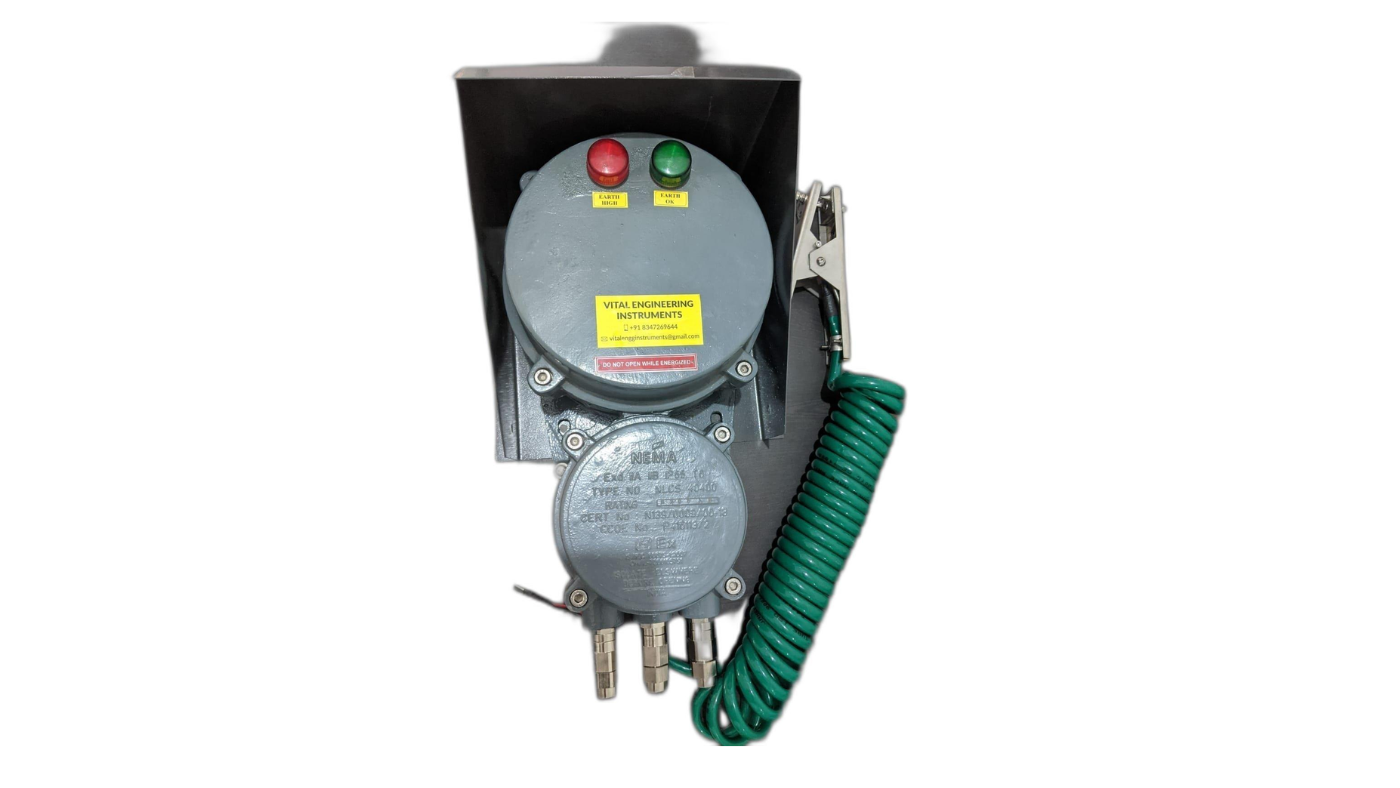
Proper tanker grounding equipment prevents static ignition during transfer of flammable liquids. This article explains how mobile ground verification works, why a ≤10 Ω loop matters, and how you can buy and support Earth‑Rite MGV in Dubai.
Mobile ground verification protects workers and assets during tanker transfers.
Earth‑Rite MGV verifies a true earth, then enforces a ≤10 Ω truck‑to‑earth loop.
Using MGV with pump interlocks meets API 2219 guidance and insurer expectations.
Al Ghwasa supplies, installs, and services Earth‑Rite MGV in the UAE. See the product page for local details.
Tanker grounding equipment creates a controlled path to dissipate static electricity. It includes clamps, cables, monitors, and interlocks for road and vacuum tankers.
Definition: Tanker grounding equipment connects a tanker to a verified true earth to safely remove static charge during transfers.
Benefit: reduces ignition risk when pumping flammable liquids.
Use cases: refineries, terminals, waste haulage, and fuel delivery fleets in Dubai.
Static charges form when liquids flow across surfaces and through hoses. Charges accumulate on liquid and metal parts.
Example: fast pumping of hydrocarbons creates charge faster than it can leak away, creating sparks if not grounded.
Bonding equalizes potential between conductive parts. Grounding drains charge to true earth.
Practical tip: always bond hoses to tank, then ground the bonded assembly to verified earth.
Summary: a ≤10 Ω loop ensures low resistance between the truck and the verified earth point during transfer.
Definition: 10 Ω is a conservative limit chosen to keep charge dissipation fast and predictable under field conditions.
Earth‑Rite MGV first verifies the earth point, then continuously monitors the truck‑to‑earth loop. It uses visual indicators and interlocks to enforce safe operations.
Key features include static earth verification, continuous monitoring at ≤10 Ω, LED GO/NO‑GO indicators, and pump interlock contacts.
Earth‑Rite MGV product and UAE supply — local supplier page with installation and contact details.
Manufacturer technical page (Newson Gale) — technical specs and certificates.
Static verification confirms the earth point before transfer. Continuous monitoring ensures the ≤10 Ω connection remains throughout the transfer.
Example: MGV tests the earth source first, then watches the loop while pumps run. Loss of grounding triggers an immediate interlock.
The panel shows green for safe and red for unsafe. LED feedback gives clear GO/NO‑GO signals to operators.
Interlock outputs stop pumps or close valves if grounding fails. This enforces procedure and simplifies audits.
Earth‑Rite MGV aligns with API 2219 guidance for vacuum trucks and static control. It also supports practices referenced by NFPA and IEC guidance.
Relevant standards include API 2219, NFPA 77, IEC TS 60079‑32, and API RP 2003 for static control with flammable liquids.
Reference: see NFPA general guidance on static electricity for industry at NFPA 77.
MGV documents verification and uses pump interlocks. This produces evidence for audits and insurers.
Stat: the system provides volt‑free interlock contacts and event logs for incident tracing.
Summary: MGV mounts on the vehicle, uses 12/24 V truck power, and connects to a clamp and earth point.
Installers typically mount the control unit in an accessible cabinet and route the clamp cable to the operator position.
The control unit fits to the chassis or cabinet. The clamp and cable stow near the hose reel for quick access.
Power is drawn from the vehicle battery. Outputs tie to pump starters for interlock control.
MGV supports temporary ground rods when no fixed earth exists. The system verifies the rod‑to‑earth path before transfer.
Field tip: ensure rod placement reaches stable soil. Sandy desert sites may need deeper or multiple rods for a reliable earth.
Keep clamps, cables, and connections clean and intact. Test system operation during routine fleet checks.
Recommended: visual inspection monthly and functional test quarterly or per company policy.
Al Ghwasa supplies Earth‑Rite MGV and provides local installation and commissioning in Dubai. Their product page lists contact and service details.
Local support matters for fast delivery, on‑site commissioning, and HSE documentation during audits.
MGV: mobile, verified earth, continuous monitoring, pump interlock.
Gantry: fixed earth, no vehicle verification, reliable where installed.
Simple clamps: low cost, no verification, operator dependent for safety.
Tanker grounding equipment like Earth‑Rite MGV offers a proven, auditable way to prevent static ignition. It verifies true earth, maintains a ≤10 Ω loop, and uses interlocks to stop pumps when grounding is lost. For purchase, local installation, and service in Dubai, visit the Al Ghwasa product page or consult the manufacturer technical notes.
10 Ω is a conservative loop limit to ensure fast charge dissipation. It keeps potential differences low during transfers.
Yes. MGV supports portable ground rods and verifies the temporary earth before transfers.
MGV provides volt‑free contacts that break pump power when grounding fails. Connect contacts to the starter or PLC.
Most vacuum and road tankers use MGV successfully. Contact Al Ghwasa in Dubai for a site‑specific fit and quote.