English
 Arabic
 French
 Spanish
 Portuguese
 Deutsch
 Turkish
 Dutch
Dutch
 Italiano
 Russian
 Romaian
 Portuguese (Brazil)
 Greek
Greek

Novopress: Understanding Its Role in Modern Industrial Workflows
Networking |
2026-01-30 07:04:28
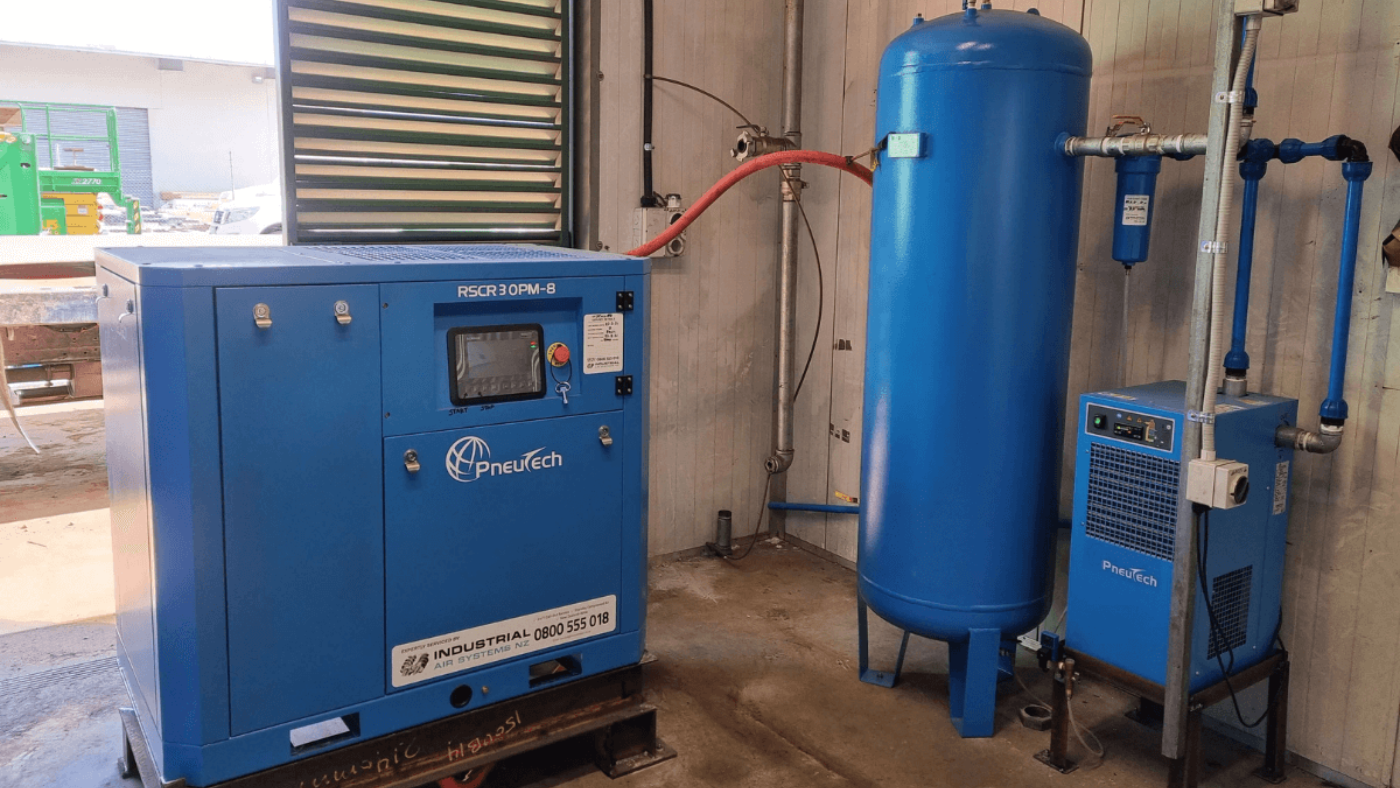
Compressed type expansion tanks are sealed steel vessels that use an air cushion to absorb thermal expansion in closed water systems. This article helps engineers and procurement teams in Tamil Nadu find local manufacturers and pick the right compressed expansion tank for hot and chilled water systems.
Compressed type expansion tanks use an air cushion, not a diaphragm, to handle thermal expansion.
Ask for ASME Section VIII design and material certificates when procuring tanks.
Precision Storage Vessels supplies compressed expansion tanks across India with customizable options.
Correct sizing and corrosion protection strongly affect service life and reliability.
A compressed type expansion tank stores extra water volume using a trapped air cushion. The tank connects to the closed loop and accepts expanded water during heating. Its air cushion compresses to keep system pressure stable. This design is simple and robust for many industrial loops.
Compressed tanks have an open air space inside. Diaphragm and bladder tanks use internal flexible barriers. Each type suits different needs and budgets.
Compressed expansion tank: Simple steel shell, air cushion, easier to repair.
Diaphragm tank: Integrated rubber diaphragm isolates water from air, reduces air loss.
Bladder tank: Replaceable bladder, good for potable applications, lower maintenance frequency.
*Use compressed tanks where cost, high-temperature capability, and easy servicing matter.*
Start sizing with system volume, temperature range, and pressure setpoints. Use manufacturer tables or software for accuracy. Typical industrial ranges vary from small 10-litre vessels to large multi-thousand-litre tanks.
Design pressure: commonly up to 20 bar for Indian fabricated tanks.
Design temperature: many tanks rated to 150°C when engineered correctly.
Materials: carbon steel shells are common; stainless steel is preferred for corrosive or potable systems.
Coatings: polymerized epoxy coatings approved to NSF/FDA help with potable water service.
Ask suppliers for example capacity tables and worked sizing examples.
Always require design and test documentation. ASME Section VIII Div.1 compliance is the most common global benchmark. Request U‑stamp or equivalent inspection records when applicable.
Include mill test reports, hydrotest certificates, paint and lining approvals, and welding procedure documentation. These documents reduce risk at handover and commissioning.
For reference, see ASME code details: ASME Section VIII Division 1.
Tamil Nadu has multiple capable pressure vessel fabricators. Local sourcing reduces lead time and simplifies site coordination. Precision Storage Vessels lists compressed type expansion tanks and provides custom options.
Visit the product page for specs and contact details: Precision Storage Vessels — compressed type expansion tanks.
When shortlisting vendors, compare these points:
Proof of ASME or equivalent design capability.
Customization scope for volume and connections.
Available linings and potable approvals.
Lead times, local service, and spare part support.
Compressed expansion tanks suit HVAC chilled water loops, boiler feed systems, and process water circuits. They pair well with air separators, surge vessels, and suction diffusers.
High-rise HVAC plants often use compressed tanks on primary loops.
District cooling installations use large compressed tanks for load swings.
Industrial boiler houses select higher pressure-rated compressed tanks.
Install tanks vertically on a firm base near the plantroom. Fit isolation valves and a pressure gauge for easy checks. Maintain the air cushion by scheduled pressurization checks.
Common failures include air loss, internal corrosion, and coating breakdown. Prevent these by using approved epoxy linings, periodic hydro/pressure checks, and routine visual inspections.
Typical maintenance: annual visual check, five-year internal inspection, and hydro test as per purchase documents.
Compressed type expansion tanks are a practical choice for many industrial HVAC and process systems. Local manufacturers in Tamil Nadu, including Precision Storage Vessels, provide ASME‑capable fabrication and customizable linings. Specify proper sizing, code compliance, and coatings to ensure long service life and safe operation.
Compressed tanks are simple, serviceable, and handle high temperatures well.
They can be if lined with NSF/FDA-approved epoxy and detailed for potable service.
Ask for ASME Section VIII design reports, welding records, and hydrotest certificates.
Check precharge pressure quarterly for critical systems and after major works.
Typical lead time ranges from 3 to 8 weeks depending on size and customization.