English
 Arabic
 French
 Spanish
 Portuguese
 Deutsch
 Turkish
 Dutch
Dutch
 Italiano
 Russian
 Romaian
 Portuguese (Brazil)
 Greek
Greek

Physical and Chemical Properties of Lithium Fluoride
Other |
2026-01-27 10:16:10
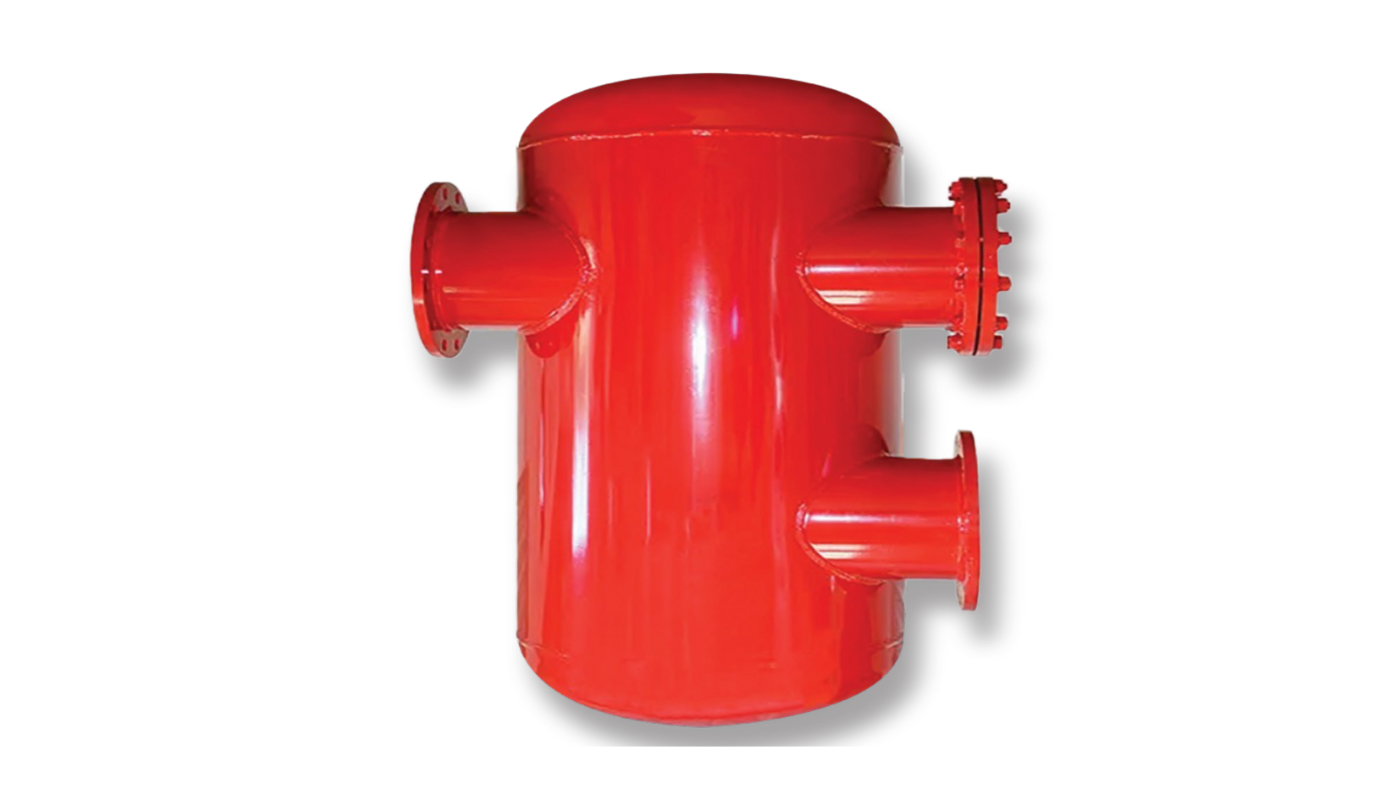
Inline air separators keep hydronic systems in Dubai running quietly and efficiently. This article explains what an inline air separator does, how to size and install one, and where to buy ASME‑rated units locally.
An inline air separator removes entrained air and microbubbles to protect pumps and chillers.
Select separators by flow, pipe size, and pressure rating (10 bar is common; 20 bar for higher systems).
Buy locally for fast delivery and installation support — see Hotline Trading LLC for Dubai stock and services.
An inline air separator is a pressure vessel fitted into a closed hydronic line that removes entrained air. It uses internal media such as PALL rings or tangential flow to coalesce microbubbles into larger pockets for venting.
Definition: An inline air separator separates air and often dirt from circulating water to improve efficiency and prevent damage. Example: a PALL ring element captures microbubbles down to about 18 microns, improving heat transfer and reducing pump cavitation.
Both designs remove air but they operate differently. PALL rings increase surface area to trap microbubbles, while tangential units use vortex flow to push air to the top chamber.
Tip: choose PALL ring media when particle removal is needed. Pick tangential separators for high flow primary headers.
Correct placement and sizing prevent common system problems. Install separators at high points or on returns where flow velocities slow and air can collect.
Specification facts: standard working pressures are 10 bar, with 20 bar options for high‑rise and industrial systems. Many models handle up to 375°F for heating applications.
Install on the return line near the boiler or chiller and after strainers for best results. For large plants, fit separators on primary headers and secondary loops at high points.
Example layout: primary chilled water header → inline air & dirt separator → pump suction to reduce cavitation risk.
Size by flow rate, GPM, and flange class. Manufacturers publish ranges; Taco AC/ACF series covers small to very large flows. Use a safety margin when matching GPM to model capacity.
*Insight:* a separator rated at 10 bar suits most Dubai buildings, while 20 bar suits tall towers and industrial lines.
Many separators work with glycol mixes but expect slight performance changes. Check manufacturer guidance for percentage limits and venting frequency.
For solar/high‑temp systems, pick separators rated for higher temperature and compatible seals.
Buy from local distributors for rapid delivery and site support. Dubai suppliers stock ASME‑rated separators and offer turnkey installation.
Hotline Trading LLC maintains local supply and offers installation services — view their product summary for Dubai projects.
Where to compare: check manufacturer resources like Taco Comfort and Flamco for specs and model ranges.
Look for distributors that list ASME construction, available blow‑off taps, and removable media. For Dubai procurement, consider Hotline Trading LLC for local stock and commissioning support.
Standard inline separators often ship in 1–3 weeks from local stock. Custom ASME tanks or large diameters may take longer.
Price varies by size and rating; expect a wide range from small inline units to large ASME vessels used in central plants.
Air and dirt separators reduce corrosion, noise, and equipment wear. They protect pumps, chillers, and heat exchangers and improve system balance.
*Fact:* modern PALL ring separators can remove microbubbles as small as 18 microns and particles down to about 35 microns.
Most air & dirt separators include a blow‑off or drain for trapped sediment. Regular blow‑off prevents build‑up and maintains efficiency.
Tip: inspect vents and replace worn seals annually in harsh Dubai conditions.
Choose based on the application: air‑only for simple boilers, air & dirt for systems with particulate concerns, and air‑oil for compressor applications.
Air‑only units focus on venting entrained air. Air & dirt separators add screens or media to capture particles. Air‑oil separators serve compressor systems, not typical HVAC loops.
Recommendation: specify air & dirt separators for chilled water plants.
Smart separators add monitoring and automated venting. Magnetic models capture ferrous particles to protect pumps and plate heat exchangers.
Use magnetic separators where corrosion products are a known issue.
Hotline Trading LLC offers ASME‑compliant separators, installation services, and local aftercare. They support project specifications and can supply removable media and blow‑off options.
See their Dubai offering here: Hotline Trading LLC — air separators in Dubai.
Inline air separators are essential for reliable HVAC performance in Dubai. Select by flow, pressure rating, and media type, buy from local suppliers for faster delivery, and schedule routine maintenance to maintain efficiency. For local supply and installation support, check Hotline Trading LLC and manufacturer resources linked above.
An inline air separator is a vessel that removes entrained air and microbubbles from closed hydronic systems to improve performance.
Choose air & dirt if you expect particulate contamination; pick air‑only for simple, clean systems.
Yes. Retrofitting at return high points or pump suction lines is common and usually straightforward.
Specify 10 bar for most buildings; use 20 bar for tall towers or industrial loops with higher static pressures.