English
 Arabic
 French
 Spanish
 Portuguese
 Deutsch
 Turkish
 Dutch
Dutch
 Italiano
 Russian
 Romaian
 Portuguese (Brazil)
 Greek
Greek

Portable Power Station Market Outlook: Growth, Technology, and Opportunities
Other |
2026-01-29 10:59:17
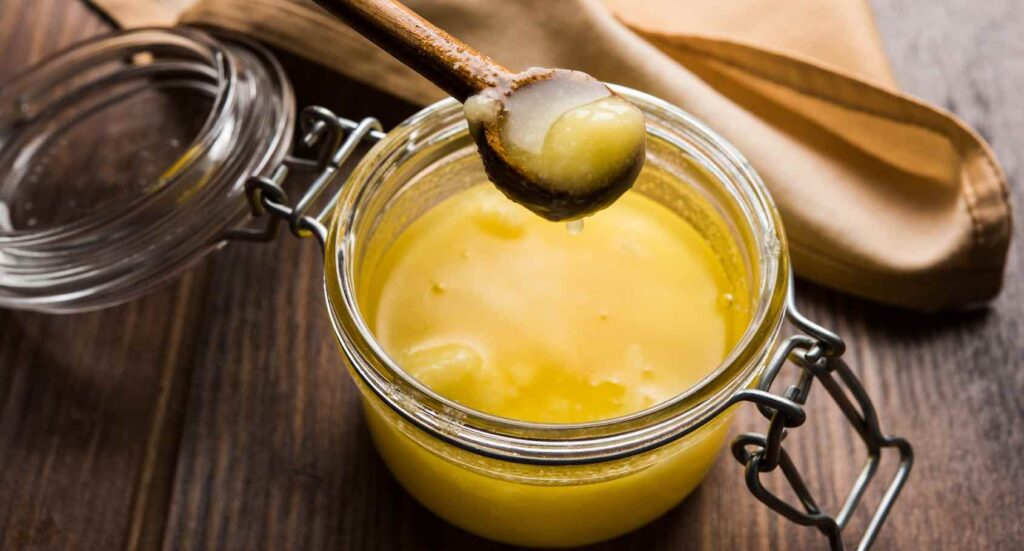
Butter is a familiar ingredient in many kitchens, but not all butter tastes the same. Some butter has a mild and creamy flavor, while cultured butter often stands out with a slightly tangy and rich taste. This difference is not just about the quality of the milk or the way it is churned. It is also about science. Behind every bite of cultured butter is a natural process that changes the cream before it becomes butter. Understanding this process helps us appreciate why cultured butter feels deeper, more complex, and more satisfying to many people.
Cultured butter is made from cream that has been allowed to ferment before it is churned. In simple terms, live beneficial bacteria are added to fresh cream. These bacteria slowly work on the natural sugars in the cream. Over time, this changes the flavor and texture of the cream. Once the cream has developed enough flavor, it is churned into butter. This step separates the solid butterfat from the liquid, which is known as buttermilk. The result is a butter that has a richer taste compared to regular butter, which is usually made from fresh, non-fermented cream.
The main reason cultured butter tastes tangy is because of the work done by beneficial bacteria. These tiny living cultures feed on the natural sugars in the cream. As they do this, they produce lactic acid. Lactic acid is what gives cultured butter its gentle sour or tangy note. At the same time, the bacteria also create small amounts of other natural compounds that add depth to the flavor. This is similar to how yogurt or cheese develops its taste. The process is slow and natural, which is why cultured butter often feels more complex than regular butter.
The tangy taste in cultured butter is the result of a balance between different elements. The lactic acid brings a sour note, while the butterfat provides a smooth and creamy feeling in the mouth. Natural sugars and proteins also play a small role in shaping the overall taste. When these elements come together, they create a flavor that is both rich and refreshing. This balance is important. If there is too much acid, the butter can taste too sharp. If there is too little, the butter may taste flat. Good cultured butter finds a middle ground that feels pleasant and full.
Time and temperature are very important during the culturing process. If the cream is kept warm, the bacteria work faster and produce more acid in a shorter time. If the cream is kept cooler, the process is slower and the flavor develops more gently. The length of time the cream is allowed to ferment also affects the final taste. A short fermentation creates a mild tang, while a longer one leads to a stronger and more noticeable flavor. This is why small-batch or traditional butters often taste slightly different from one another. Small changes in conditions can lead to unique results.
Cultured butter is not only about flavor. Fermentation also changes the texture and smell. Many people notice that cultured butter feels smoother and softer at room temperature. The aroma can also be more noticeable, with a light, fresh scent that hints at the fermentation process. Our sense of smell plays a big role in how we experience taste. When we spread cultured butter on warm bread, the heat releases these aromas, making the flavor feel even richer. This combination of texture, smell, and taste creates a full sensory experience.
In traditional methods, cream is often cultured slowly in small batches. This allows the bacteria to develop naturally and can lead to unique and varied flavors. The churning is usually done at a gentle pace, which helps preserve the character of the butter. In modern production, the process is more controlled. Temperature, time, and bacteria levels are carefully measured to create a consistent product. Both methods have their value. Traditional butter may feel more personal and handcrafted, while modern butter offers reliability and uniform quality.
Cultured butter can be used in many simple ways. One of the best ways to enjoy its tangy notes is by spreading it on fresh bread or toast. The warmth brings out the flavor and aroma. It can also be added to cooked vegetables, where it melts and adds richness without overpowering the dish. In baking, cultured butter can give pastries and cakes a deeper taste. Even simple meals can feel special with a small amount of this flavorful butter.
When looking for good cultured butter, it helps to read the label. Look for mentions of live cultures or fermented cream. The color should be a soft yellow, and the smell should be fresh, not sour or stale. Proper storage is also important. Keeping butter in a cool place and covered helps maintain its flavor. Some people who explore dairy products in different regions may come across options like raw butter dubai, which often highlights traditional or less processed styles of butter. These products reflect the growing interest in natural and carefully made dairy foods.
Cultured butter is closely related to other traditional dairy products. In many cultures, butter is slowly heated to make ghee, which removes milk solids and creates a clear, golden fat. People searching for the best ghee in uae often appreciate the connection between high-quality butter and the quality of the ghee made from it. Both products show how careful preparation and good ingredients can turn simple cream into something with deep flavor and long-lasting value.
The tangy notes in cultured butter are not a mystery once we understand the science behind them. Beneficial bacteria, time, temperature, and natural chemistry all work together to shape its unique flavor. From fermentation to churning, every step adds to the final taste, texture, and aroma. By learning about this process, we can enjoy cultured butter not just as a spread or cooking ingredient, but as a product of nature and thoughtful preparation. Each bite becomes a small reminder of how simple science can create something truly delicious.