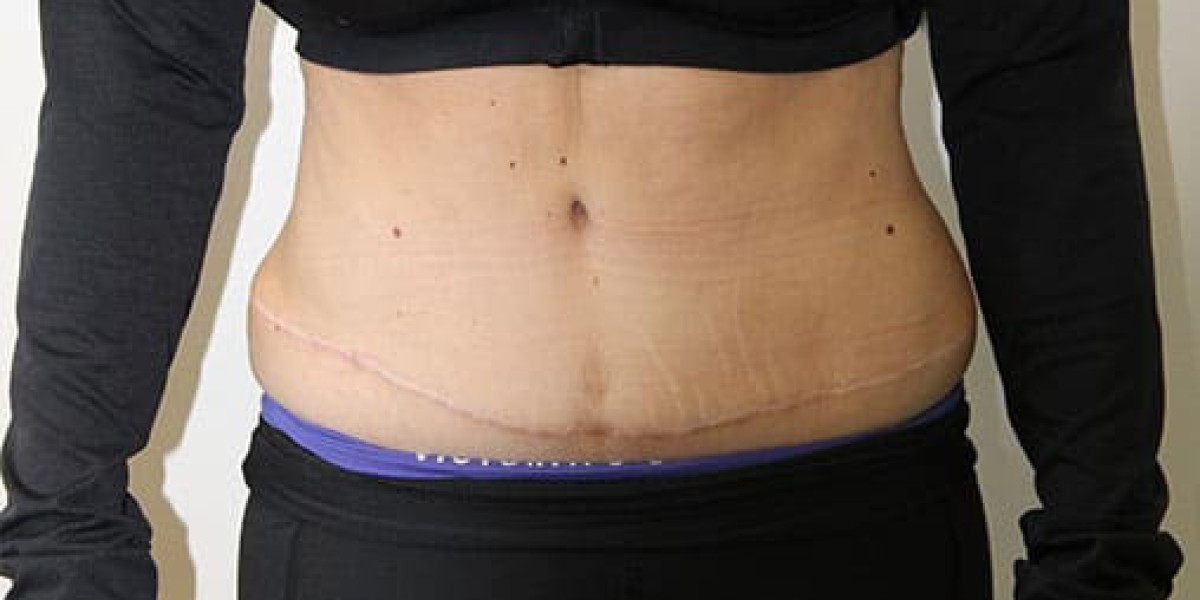
One of the most frequently reported issues new parents might have after giving birth is how they managed to gain weight after their delivery. Similarly, women suffering from PCOS continually attempt numerous diets without success. When both scenarios are combined, weight management may seem very frustrating or confusing.
This comprehensive guide will explain weight loss following childbirth and weight loss associated with PCOS, as best as possible, while being medically sound, and in a way that allows women to better understand their own bodies and make wise decisions about their diets, in a healthy, sustainable manner (without the use of fad diets or false claims).
What to know about Weight Loss After Giving Birth
A woman's body has to heal from giving birth and should take some time before it can get back into its pre-pregnancy shape. There is more than just fat to take into consideration for the weight gained during a woman's pregnancy; there are also the Baby's Size, Placenta Size, Increased Blood Supply, Fluids, and Hormones that will all have to heal themselves.
If you expect to lose weight quickly Following the birth of your child, you would likely be disappointed and develop unhealthy habits. Most women will have had some naturally decreasing number within the first 6-8 weeks, however, providing that you sustain a safe practice, your weight will likely decrease steadily over the next 6-12 months.
Hormonal Changes After Delivery
The hormones produced after a woman gives birth, including estrogen, progesterone, prolactin and cortisol, change greatly. These hormonal changes can lead to:
- Adding extra fat storage
- Declining metabolism
- Making it easier to crave food
- Disrupting sleep patterns and affecting emotions
Women who have had PCOD previously may have a more pronounced impact from the hormonal changes after birth and may continue to experience the effects for a longer period of time.
The Reasons Weight Loss Can Be More Difficult After Delivery with PCOD
The Effects of PCOD on Postpartum Weight
PCOD (polycystic ovary disease) is a hormonal disorder characterized by insulin resistance, hormonal imbalance, inflammatory responses, and postpartum delivery factors that can lead to:
- Slowed fat loss
- Increased abdominal fat
- Less effective dieting
- Regular weight regain
PCOD requires a different strategy for successful postpartum weight loss than most standard postpartum weight loss programs for women without PCOD.
Common Mistakes Made by Women
Women often make the mistake of unknowingly delaying their progress by making these common mistakes:
- Not eating because they are busy caring for their infant
- Following a very low calorie diet
- Eliminating all sources of carbohydrates
- Exercising excessively
- Not getting enough sleep and reducing stress
These habits can result in an increase in the negative impact of hormonal imbalance on estrogen and progesterone, ultimately delaying and stunting weight loss.
How soon can you begin to lose weight after giving birth?
The answer can vary depending on whether or not you had a vaginal delivery or c-section.
Vaginal delivery = 6 weeks after delivery
C-section = 8-10 weeks after delivery (or with your doctor's approval)
If you are breastfeeding, your focus should be on nourishment first and gradual weight loss second. In other words, don't rush to lose weight, because rapid weight loss will hurt your milk supply.
See a doctor before starting a weight loss program if you have any medical conditions such as:
- Polycystic Ovarian Syndrome (PCOS)
- Thyroid disease
- A history of gestational diabetes
- Anemia
The best way to achieve sustainable weight loss after giving birth and PCOS is to eat foods that are healthy for your hormone levels rather than eat less food.
Examples of healthy foods include:
- Lean proteins (lentils, chicken, paneer, tofu, fish)
- Complex carbohydrates (millet, oats, brown rice)
- Healthy fats (nuts, seeds, ghee in moderation)
- A wide variety of vegetables
- Fruits in moderation, depending on the season
The following foods should be limited (not eliminated from your diet):
- Refined sugar
- White flour
- Fried foods
- Packaged foods
- Sugary beverages
Eaten in extreme quantities, these foods can increase the production of stress hormones and can worsen the symptoms of PCOS.
Meal Timing is More Important Than Caloric Intake
The Reason for Skipping Meals is Slower Weight Loss from PCOD
Eating at regular times causes a spike in insulin, and the storage of fat increases for those with PCOD trying to lose weight. The timing of meals is just as important as the choices of foods consumed.
The following are guidelines for meal timing:
- Consume food every 3 to 4 hours.
- Do not skip meals, especially breakfast.
- Make sure dinner is consumed early and is a light meal.
- Avoid fasting for extended periods of time without professional supervision.
Consistent meal consumption will help regulate a woman’s levels of hormones and metabolism.
PCOD Post Partum Exercise
Start With a Moderate Approach: Gradual Progress
After giving birth your body is recovering from childbirth; if you engage in high-impact exercises too soon, you increase the potential for injury and heavy stress on your body.
Safe Exercise Options to Start Out With are:
- Walking
- Pelvic Floor Restorative Exercises
- Post Partum Yoga
- Breathing Exercises
These exercises will assist in reactivating a woman’s metabolic processes and increase her core strength.
Best Workouts for PCOD Weight Loss
Once your doctor has given you the green light, it is recommended to do strength training 2-3 times a week, low-impact cardio workouts, and resistance training. Building muscle increases how sensitive your body is to the insulin produced, which is key to weight loss for women experiencing PCOD.
Sleep, stress and weight loss after pregnancy
Stress hormone (cortisol) is produced in higher levels when you do not get enough sleep. Increased cortisol increases cravings and decreases how fast you are able to lose fat. Increased cortisol causes insulin resistance.
Developing the habit of getting short naps during the day, along with having a supportive partner, can help.
Managing stress will help you achieve better weight loss after delivery.
Simple techniques such as deep breathing, short walks and preparing realistic expectations for yourself can help manage stress.
The benefit of breastfeeding and its relationship to weight loss.
While breastfeeding does burn calories, many women still do not experience weight loss as a result. The production of milk requires the production of hormones, which can cause some women to hold onto excess weight.
Gentle physical activity and healthy eating—rather than aggressive dieting—will likely be the best approach to manage weight during the postpartum period.
The amount of time it takes to lose PCOS-related weight following delivery varies significantly.
The amount of time varies significantly for women experiencing PCOS. Although most will experience noticeable changes in the appearance of body fat between 8–12 weeks after delivery, they will likely take 6–9 months to significantly lose body fat.
Focus on consistency rather than speed; slower weight loss tends to be healthier and longer lasting.
- Indications Of Success Of A Weight Loss Program
- Higher Levels Energy
- Improved Digestion
- Periods That Are Regular
- Decreased Desire To Eat
- Lost Inches Prior To Weight
Why The Weight On The Scale Does Not Represent Your True Progress.
When To Go See A Professional
Consult A Doctor Or Licensed Nutritionist If:
- No Changes In Weight Over A 3-4 Month Period
- Birth Control Is Not Working
- Feeling Tired All Day
- Feeling Of Craving Is Uncontrollable
Creating A Personalized Plan Improves The Chances That You Will Lose Weight After You Give Birth And Lose Weight From Your PCOD diagnosis.
Summary This Is The Only Way To Lose Weight.
Losing Weight After A Woman Gives Birth - Especially If You Have The PCOD Diagnosis - Is Not About Getting Quick Results. It Is A Journey That Requires Time, The Right Nutrition And Exercise, And The Right Balance Of Hormones.
It Will Be Much Better For Your Long-Term Health, Fertility, And Self-Esteem To Take A Safe, Structured Approach To Losing Weight After Giving Birth. Every Woman's Body Is Unique, And Comparing Yourself To Others Only Creates Unnecessary Stress.
You Should Always Choose To Do Consistent Actions Over Perfect Actions. With Coaching And Support, Losing Weight After Giving Birth With PCOD Is Healthy And Sustainable.