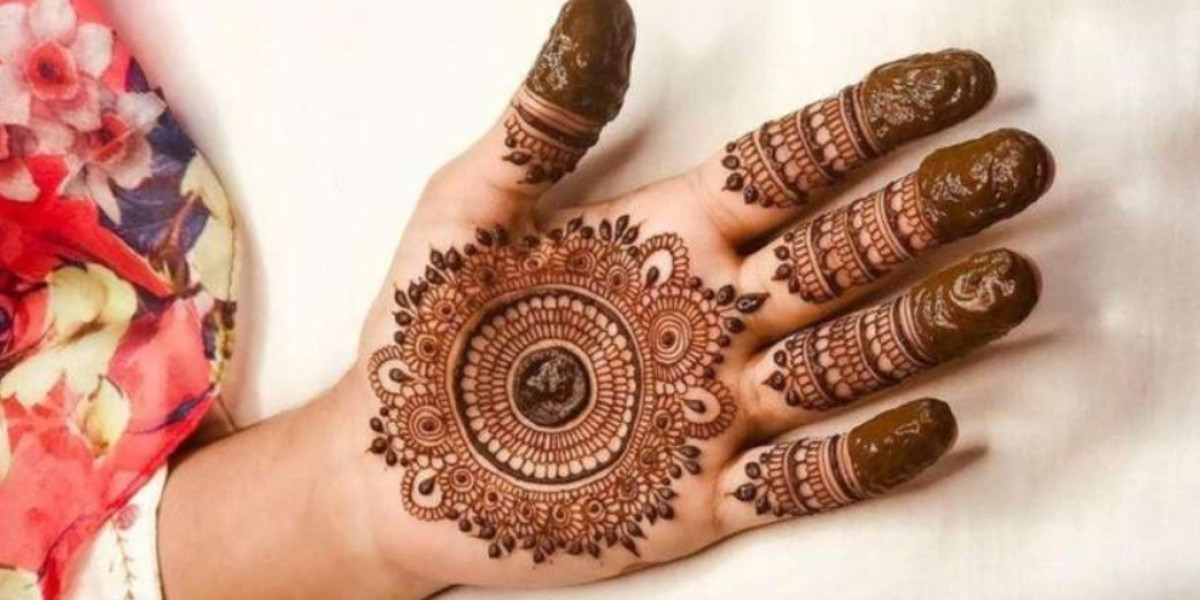
Achieving a deep, rich henna stain is the ultimate goal for both professional henna artists and serious learners. While application technique and aftercare matter, the quality of henna powder plays the most critical role in determining stain depth and longevity. Many beginners assume all henna powders are the same, but professionals know that factors like crop freshness, origin, grinding quality, and storage can dramatically affect results. This is why experienced artists are very selective about the brands they use and often test multiple batches before committing to one. Understanding what professionals look for in henna powder can help you avoid poor-quality products and consistently achieve darker, more vibrant stains.
Why Henna Powder Quality Matters More Than Technique
Even the most skilled henna artist cannot produce a dark stain using low-quality or stale henna powder. Professional artists emphasize that natural henna relies on lawsone content, the dye molecule responsible for staining the skin. If the henna leaves are old, poorly stored, or over-processed, the lawsone content weakens, resulting in light or uneven stains. High-quality henna powder is usually finely sifted, vibrant green in color, and smells fresh and earthy. Artists also look for powders that release dye quickly and consistently. Learning to identify these qualities is essential, which is why many professionals recommend structured learning through a Henna Course Online to understand the science behind henna performance, not just the design aspect.
Popular Henna Powder Brands Trusted by Professionals
Professional henna artists often recommend henna sourced from regions known for high lawsone content, such as Rajasthan (India), Sojat, Jamila (Pakistan), and Moroccan henna. Brands using Jamila or Rajasthani henna are especially popular because they consistently produce darker stains when mixed correctly. Artists prefer brands that clearly state harvest year, batch details, and origin. Transparency is a key trust factor. Many professionals avoid generic or cosmetic-store henna cones, as these often contain additives or preservatives that compromise stain quality. Instead, they buy fresh powder in small quantities to ensure potency. Experienced artists also stress that understanding brand differences comes with education and practice, often gained through hands-on learning in a Henna Course.
Freshness and Storage: The Hidden Factors Behind Dark Stains
One of the most overlooked aspects of henna powder quality is freshness. Even premium henna powder can lose its staining power if it is old or improperly stored. Professional artists recommend using henna powder harvested within the last one to two years and stored in airtight containers away from heat and light. Once opened, henna should ideally be kept in a freezer to preserve its dye content. Many beginners unknowingly use expired or poorly stored henna, leading to disappointing results. Professionals are trained to recognize fading color, weak scent, or slow dye release as warning signs. Learning proper storage techniques is often covered in detail in a Henna Course Online, helping artists maintain consistent, dark stains across clients.
Mixing Techniques That Professionals Use for Maximum Stain
Even with the best henna powder, incorrect mixing can prevent a dark stain. Professional artists carefully control ingredients like lemon juice, essential oils, sugar, and resting time. Terpene-rich essential oils such as cajeput or tea tree are commonly used to boost dye release. The consistency of the paste is also crucial; too thick or too runny can affect application and stain depth. Professionals allow the paste to rest for several hours to ensure full dye release before use. These techniques are rarely intuitive and often require guided practice. This is why many artists recommend formal training through a Henna Course, where mixing ratios, climate adjustments, and troubleshooting are explained in a structured way.
How Skin Type and Aftercare Influence Stain Darkness
Professional artists understand that henna results vary depending on skin type, body placement, and aftercare. Areas like palms and soles naturally stain darker due to thicker skin, while arms and backs stain lighter. However, good aftercare can significantly improve results. Professionals advise keeping the paste on for several hours, sealing it properly, and avoiding water for at least 24 hours after removal. Heat and natural oils help deepen the stain over time. Educating clients about aftercare is part of professional practice. Many artists learn how to manage client expectations and provide proper guidance through a Henna Course Online, ensuring both artist and client are satisfied with the final color.
Choosing the Right Henna as a Beginner or Aspiring Professional
For beginners, choosing the right henna powder can feel overwhelming due to the number of brands and conflicting advice online. Professionals recommend starting with a trusted, well-reviewed brand rather than experimenting randomly. It’s also important to learn how to test henna on your own skin before using it on others. Aspiring professionals benefit from understanding not just which brands work best, but why they work. This deeper knowledge allows artists to adapt to different climates, skin types, and client needs. Enrolling in a Henna Course can accelerate this learning process, helping beginners avoid costly mistakes and build confidence faster.
Final Thoughts on Professional Henna Recommendations
Professional henna artists don’t rely on brand names alone; they evaluate freshness, origin, storage, and performance before trusting a henna powder. Dark stains are the result of high-quality ingredients, correct mixing, proper application, and informed aftercare. While certain henna brands are consistently recommended, true expertise comes from understanding how all these factors work together.