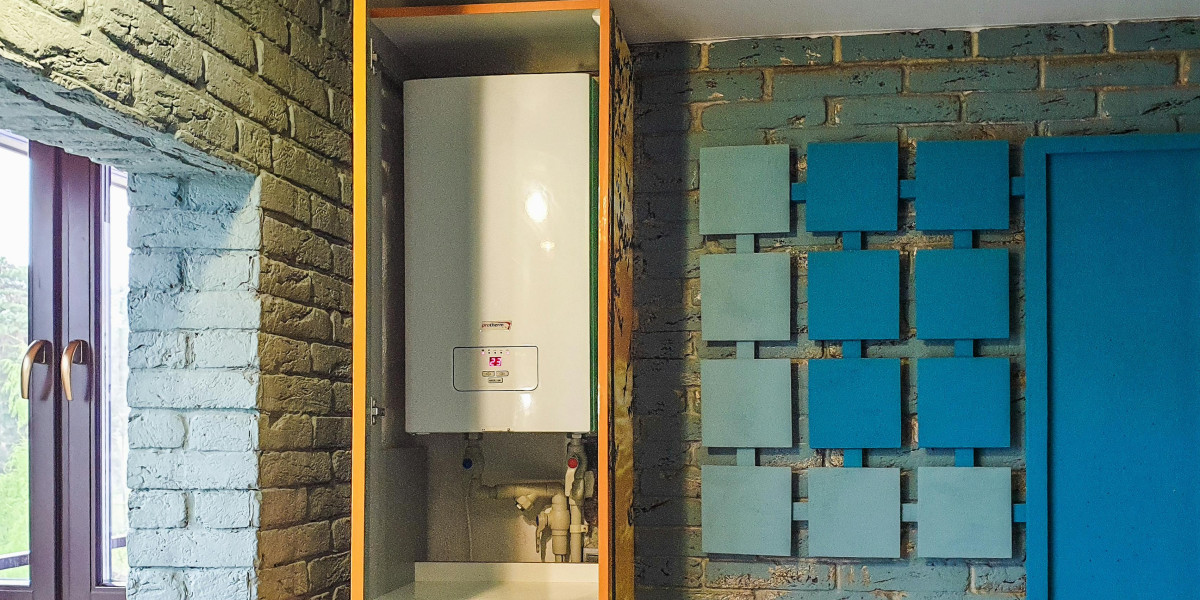
Hot water is essential for daily comfort, from showers and laundry to dishwashing and cleaning. However, many homeowners overlook one important fact: an aging water heater can quietly drive up energy bills and reduce system efficiency. If your unit is more than a few years old, it may be costing you more than you realize. Understanding how old water heaters waste energy and when water heater replacement becomes necessary can help you save money and avoid unexpected breakdowns.
How Water Heaters Age Over Time
Water heaters are designed to work efficiently, but like all appliances, they experience wear and tear. Most traditional tank water heaters have a lifespan of 8 to 12 years. Over time, internal components such as heating elements, burners, and tanks degrade due to constant exposure to heat, water pressure, and mineral buildup.
As these parts age, the unit must work harder to heat the same amount of water, consuming more energy in the process. This inefficiency is one of the main reasons older water heaters contribute to higher utility bills.
Sediment Buildup Reduces Efficiency
One of the biggest energy-draining issues in older water heaters is sediment buildup. Minerals like calcium and magnesium naturally settle at the bottom of the tank, especially in areas with hard water. As sediment layers thicken, they create a barrier between the heating element and the water.
This forces the system to run longer cycles to reach the desired temperature, increasing energy usage and monthly costs. In severe cases, sediment can cause overheating, strange noises, and even damage the tank. When flushing no longer improves performance, water heater replacement becomes the most practical solution.
Increased Energy Consumption and Utility Bills
Older water heaters are far less energy-efficient than newer models. Many older units lack modern insulation and advanced heating technology, allowing heat to escape more easily. As a result, the heater cycles on more frequently just to maintain warm water.
This constant cycling increases gas or electricity consumption, directly impacting your energy bills. Homeowners often notice gradual cost increases without realizing their water heater is the root cause. Replacing an outdated unit with an energy-efficient model can significantly reduce ongoing operating expenses.
Inconsistent Hot Water Supply
If your water temperature fluctuates or runs out quickly, your water heater may be struggling. Aging components cannot maintain consistent heating, which leads to lukewarm water or sudden temperature drops. These issues indicate that the system is nearing the end of its service life.
Instead of continuing to pay higher energy costs for unreliable performance, a professional water heater replacement can restore comfort and efficiency while lowering utility expenses.
Frequent Repairs Add Up
As water heaters age, repairs become more frequent and costly. Faulty thermostats, failing heating elements, corroded tanks, and worn valves are common problems in older systems. While occasional repairs may be manageable, repeated service calls quickly add up.
At a certain point, repair costs combined with rising energy bills exceed the price of installing a new unit. Choosing water heater replacement allows homeowners to avoid ongoing repair expenses and enjoy peace of mind.
Risk of Leaks and Water Damage
Older water heaters are more prone to leaks due to corrosion and metal fatigue inside the tank. Small leaks may go unnoticed at first but can lead to serious water damage over time. A sudden tank failure can cause flooding, property damage, and costly cleanup.
Proactive water heater replacement reduces these risks and ensures your home is protected from unexpected water damage. Newer units are built with improved materials and safety features that enhance reliability.
Benefits of Modern Water Heaters
Modern water heaters are designed with energy efficiency in mind. Newer models offer better insulation, faster heating times, and advanced temperature controls. Many homeowners also choose tankless or high-efficiency systems that heat water on demand, eliminating standby energy loss.
By upgrading through professional water heater replacement services, you can:
Lower monthly energy bills
Improve hot water consistency
Reduce environmental impact
Increase home value
Minimize repair and maintenance costs
These benefits make replacement a smart long-term investment.
When to Consider Water Heater Replacement
You should consider replacing your water heater if:
The unit is over 10 years old
Energy bills are steadily increasing
Hot water supply is inconsistent
Repairs are becoming frequent
There are signs of rust, leaks, or corrosion
A professional inspection can confirm whether replacement is the most cost-effective option.
Trust Professionals for Reliable Service
Replacing a water heater requires proper sizing, safe installation, and compliance with local plumbing codes. Working with experienced professionals ensures your new system operates efficiently from day one.
Plumbing Point Inc provides expert water heater replacement services designed to improve energy efficiency and home comfort. Their team helps homeowners select the right unit, install it correctly, and ensure long-term performance. With professional guidance, you can upgrade confidently and start saving on energy costs right away.
Final Thoughts
An old water heater may seem harmless, but it can silently drain energy and inflate your utility bills. From sediment buildup and inefficient heating to frequent repairs and leak risks, aging units create ongoing expenses. Investing in timely water heater replacement not only reduces energy costs but also improves comfort, reliability, and safety.
If your water heater is showing signs of age, now is the time to consider an upgrade with trusted professionals like Plumbing Point Inc and enjoy long-term savings and peace of mind.